
Heat exchangers are the unsung heroes of modern HVAC systems, silently providing peak temperature control and energy efficiency in buildings throughout Dubai, UAE, and the world. Whether you operate a commercial building, industrial factory, or residential complex, having insight into how these vital parts function can save you thousands of dollars in energy expenses and avoid expensive system malfunctions.
What is a Heat Exchanger?
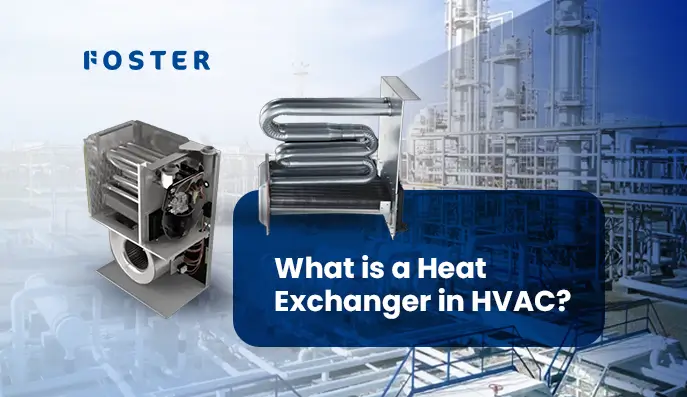
A heat exchanger is specialized equipment that is used to transfer thermal energy between two or more fluids without allowing them to mix directly. For HVAC uses, these units can efficiently transfer heat from one medium to another, allowing for tight temperature control while ensuring maximum energy efficiency. The name is an apt description of its purpose – it’s literally a device used to exchange heat or thermal energy.
The basic principle is based on the tendency of heat to move from hot to cold materials. By providing controlled routes for this heat transfer, heat exchangers allow HVAC systems to heat, cool, and condition air efficiently with little energy consumption.
How Does a Heat Exchanger Work in HVAC Systems?
There are three main heat transfer mechanisms on which heat exchangers work:
- Conduction: Direct transfer of heat through solid materials, often metal tubing or plates that divide two different fluid streams.
- Convection: Heat transfer by fluid motion, where hot fluids tend to rise and cold fluids sink, causing circulation patterns that enhance heat transfer.
- Radiation: Electromagnetic transfer of heat, although this does not play an important role in most HVAC heat exchanger applications.
In winter months, heat exchangers preheat cold air by passing heat from hot sources such as furnaces or heat pumps to incoming air. In cooling mode, on the other hand, they abstract heat from indoor air and redirect it outdoors for comfortable interior temperatures.For more information about cooling technologies that work alongside heat exchangers, check out our comprehensive guide on what is a chiller and how these systems complement each other.
Essential Types of Heat Exchangers for HVAC Applications
Shell and Tube Heat Exchangers
Shell and tube configurations are the most typical industrial heat exchanger design. These heavy-duty units consist of more than one tube mounted inside a cylindrical shell, with one fluid passed through the tubes and another passed around the tubes in the shell space. According to TEMA (Tubular Exchanger Manufacturers Association) standards, these exchangers are designed for applications with inside diameters up to 60 inches and maximum design pressures, making them ideal for heavy-duty industrial applications.
Most significant benefits
- Unparalleled strength and lifespan
- Maximum thermal efficiency for high-capacity processes
- Simple repair and tube replacement options
- Well suited for high-pressure and high-temperature processes
Shell and tube heat exchangers excel in district cooling systems, large commercial HVAC installations, and industrial process cooling throughout the UAE market.
Plate Heat Exchangers
late heat exchangers employ thin, corrugated metal plates layered on top of each other with gaskets to form alternating flow channels. This layout allows for the maximum surface area contact between fluids while ensuring compact size.
Key advantages:
- Compact size ideal for space-restricted installations
- Higher heat transfer efficiency through greater surface area
- Lower initial cost versus shell and tube options
- Simpler cleaning and maintenance processes
These units work very efficiently in commercial HVAC applications, chiller uses, and building automation systems where space utilization is critical. Our team at Foster International specializes in providing HVAC equipment solutions that help you select the most appropriate heat exchanger type for your specific requirements.
Compact Heat Exchangers
Finned-tube and microchannel heat exchangers optimize heat transfer surface area in small space constraints. Tubes with fins are built into advanced designs to maximize heat transfer area on the air side, forming efficient tubes and fins designs.
Applications are:
- Residential HVAC equipment
- Rooftop package units
- Split system air handlers
- Heat recovery ventilators
Air-to-Air Heat Exchangers
These dedicated units enable heat transfer from two air streams without cross-contamination. Heat exchangers transfer heat from indoor to outdoor air streams while separating them physically as a cooling method for indoor air.
Ideal for energy recovery systems, these systems recover waste heat from exhaust air for pre-conditioning incoming fresh air, saving a lot of HVAC energy.
Heat Exchangers in HVAC and District Cooling Systems
In Dubai’s challenging climate, heat exchangers have pivotal roles in district cooling systems serving multiple buildings effectively. Dubai’s innovative district cooling systems demonstrate remarkable efficiency, with energy efficiency index up to 5 to 10 times higher than conventional standalone systems.
Centralized cooling systems use high-capacity heat exchangers to:
- Transfer heat from chilled water loops to cooling towers
- Support heat recovery among various building zones
- Sustain ideal temperatures for high-rise commercial complexes
- Minimize total energy consumption by sharing resources
Heat exchangers play a pivotal role in HVAC systems, exchanging heat among fluids for indoor temperature and humidity regulation, and hence are essential for providing comfort under the UAE’s harsh weather conditions. The Heat Exchange Institute (HEI) provides comprehensive standards for designing and operating these systems efficiently in challenging climates.
Common Issues: Fouling, Maintenance, and Retubing
Knowledge of Heat Exchanger Fouling
Fouling is one of the biggest heat exchanger performance issues. Fouling is the unwanted deposition of material on the heat transfer surfaces, the efficiency of which decreases and maintenance levels increase. In the water-scarce conditions of UAE, scaling from mineral-hard water sources enhances fouling issues.
Typical fouling conditions include:
- Mineral scale due to hard water
- Biological growth from cooling system fouling
- Corrosion deposits from metal deterioration
- Particulate fouling due to air filtration problems
Fouling dramatically increases maintenance costs because buildup accelerates degradation rates, requiring more frequent cleanings and extensive repairs.
What is Retubing of a Heat Exchanger?
Heat exchanger retubing is the industrial practice of removing clogged, corroded, or inefficient tubes and replacing them with high-performance ones, thereby restoring heat transfer capacity. This vital maintenance operation prolongs equipment life and keeps equipment running at optimal efficiency.
Retubing advantages are:
- Improved performance by removing tube issues like corrosion, fouling, and leakage, resulting in superior heat transfer rates and less energy usage
- Increased equipment lifespan
- Decreased operating expense
- System reliability improvement
When you need replacement components for your heat exchanger system, Foster International’s HVAC spare parts trading service ensures you get high-quality parts that maintain optimal system performance. S ee our guide on how to identify genuine HVAC spare parts suppliers in UAE to protect your investment
Maintenance Best Practices
Regular maintenance scheduling avoids expensive failures and ensures maximum efficiency:
- Regular inspections: Monthly visual checks for leaks, corrosion, or unusual vibrations
- Cleaning protocols: Quarterly chemical cleaning or mechanical brushing to remove fouling, following proper duct cleaning procedures
- Performance monitoring: Continuous tracking of pressure drops and temperature differentials
- Preventive replacements: Scheduled tube replacement before complete failure occurs
Professional maintenance checklists emphasize the importance of systematic approaches to heat exchanger care. For comprehensive maintenance support, Foster International offers specialized HVAC services that include heat exchanger inspection, optimization, and preventive maintenance programs.
How to Select the Proper Heat Exchanger for Your HVAC System
Optimum heat exchanger technology selection demands judicious consideration of several parameters:
Capacity Needs
Estimate heat transfer loads on the basis of building size, occupancy, and climate. Dubai’s hot summer conditions necessitate high capacity margins to sustain comfort during peak demand hours. When selecting heat exchanger equipment, it’s essential to partner with suppliers who offer comprehensive product ranges that can meet diverse capacity and application requirements.
Space Restrictions
UAE urban developments frequently experience space constraints. Plate heat exchangers yield compact solutions, while shell and tube are best suited to applications with sufficient space.
Fluid Suitability
Be mindful of the type of fluids, temperatures, and pressures. Fluids that are corrosive can demand the use of special materials such as stainless steel or titanium.
Maintenance Access
Provide sufficient clearance for easy maintenance activities. Simple access saves service dollars and decreases downtime. For temporary cooling solutions during maintenance periods, consider our cooling and rental solutions to maintain operations without interruption.
Energy Efficiency Aims
More efficient heat exchangers warrant higher upfront costs through decreased operational costs during equipment life. Modern systems must comply with ASHRAE 90.1 energy efficiency standards, which set minimum performance requirements for commercial HVAC equipment.
Heat Exchanger Solutions UAE
The UAE’s unique climate and infrastructure demands require specialized heat exchanger solutions. Local suppliers and service providers must understand:
- Extreme temperature variations between indoor and outdoor conditions
- Water quality challenges affecting fouling rates
- Energy efficiency regulations and sustainability goals
- Maintenance accessibility in high-rise developments
- Integration with district cooling infrastructure
Professional HVAC contractors in Dubai and Abu Dhabi should prioritize heat exchanger suppliers with proven experience in Middle Eastern applications, comprehensive maintenance services, and readily available replacement parts.
Conclusion
Heat exchangers are the key to effective HVAC systems, providing accurate temperature control while reducing the amount of energy consumed. Familiarity with various types, maintenance needs, and selection factors helps building owners and facility managers make intelligent choices that maximize comfort, efficiency, and operating costs.
Whether you’re planning a new installation or maintaining existing equipment, partnering with experienced HVAC professionals ensures optimal heat exchanger performance in Dubai’s demanding environment. At Foster International, we specialize in comprehensive heat exchanger solutions tailored for the UAE’s unique climate challenges. Our expert team provides professional heat exchanger selection, expert installation services, preventive maintenance programs, retubing and repair services, and 24/7 emergency support to keep your systems running efficiently.
Don’t let inefficient heat exchangers drain your energy budget. Contact Foster International and discover how proper heat exchanger solutions can reduce your HVAC operating costs by up to 30%.
 Previous Post