
Modern architecture needs both aesthetic appeal and functional efficiency. One of the perfect balancing elements in this direction is the false ceiling-a versatile solution, changing the commercial and residential spaces in the Middle East.
Understanding False Ceilings
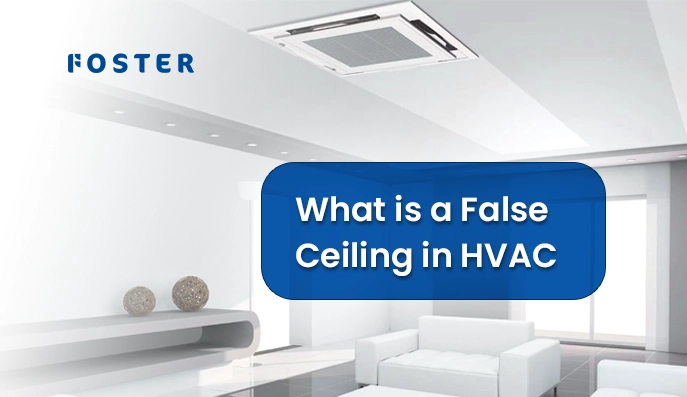
A false ceiling, otherwise called the suspended or drop ceiling, is that additional ceiling installed below the main structural ceiling. Suspended from metal channels or wooden frameworks, it leaves a vacant space which has a number of practical uses in addition to aesthetics.
The feature escalated from a mere form of decoration to an integral part of the buildings that is very important for HVAC integration, covering electrical wires, and generally enhancing energy performance.
Why False Ceilings Matter
- Concealing Mechanical Building Infrastructure: The plenum space between ceilings provides routing mechanisms for essential systems, including electrical wiring, plumbing, fire suppression, and importantly, HVAC ductwork, creating clean, professional interiors.
- Optimized HVAC Performance: The false ceiling is essential for any climate control specialist, since the plenum provides pathways for the distribution of air and also return air plenum for strategically placing diffusers to optimize airflow.
- Energy Efficiency: By decreasing the volume of space that needs heating or cooling, false ceilings make HVAC systems more efficient and, therefore, are in high demand in the Middle East, where the costs of cooling are very high due to its harsh climate.Studies show that HVAC systems can account for up to 60% of total energy consumption in the region, making energy-efficient
- Acoustic Control: False ceilings with acoustic materials lessen the rate of echo and noise in offices, conference halls, and auditoriums considerably, making them comfortable and productive places to work.
- Fire Safety: Modern systems can incorporate fire-rated materials, providing additional protection time during emergencies.
Types of False Ceiling Materials
1. Gypsum Board False Ceilings
Lightweight and fire-resistant, gypsum boards provide smooth surfaces that are ideal for painting. Moisture-resistant and fire-resistant types are available and are well-suited for offices, retail, and healthcare applications. Gypsum’s thermal properties facilitate HVAC efficiency as well as seamless integration of diffusers and grilles.
2. Grid (Armstrong) Ceiling Systems
The grid systems feature removable tiles in modular designs-usually 600mm × 600mm-and are ideal for commercial applications. Easy access to them allows for quick, low-cost HVAC maintenance and system changes. Mineral fiber, metal, or gypsum tiles offer great acoustic properties and are good choices for offices, hospitals, and educational facilities.
3. Metal False Ceilings
Aluminum or galvanized steel ceilings are exceptionally durable, with a modern look. Fire and moisture-resistant, they are perfect for airport terminals, metro stations, and data centers. Perforated metal panels offer great air distribution, and are ideal for spaces that require high air change rates.
4. PVC False Ceilings
Water-resistant and light, PVC is practical for areas that have much moisture, such as bathrooms, kitchens, and swimming pool areas. Its resistance to moisture prevents any condensation issues from AC systems while maintaining budget-friendly pricing.
5. Plaster of Paris (POP) Ceilings
The POP is highly moldable for intricate designs, which has kept it popular for decorative applications in residential living rooms, hotel lobbies, and upscale restaurants. It allows creative integration of HVAC grilles within decorative patterns, though modifications after installation are challenging.
6. Wooden False Ceilings
Natural wood warms up and adds elegance, providing very good thermal insulation. It is ideal for luxury houses and boutique hotels; it furthermore reduces heat transfer by complementing the HVAC system. The proper treatment is necessary in tropical regions.
7. Acoustic Felt/Fabric Ceilings
Specialty materials offer improved absorption for auditoriums, conference centers, and open-plan offices. These may be engineered to incorporate perforations, which allow airflow yet maintain their acoustic properties—ideal for those spaces that require both sound control and effective HVAC distribution.
Critical HVAC Integration Considerations
- Plenum Space Requirements: Sufficient depth allows for correct HVAC performance; generally 300-450mm for regular spaces and 600mm or greater for bigger duct systems.
- Load-Bearing Capacity: Frameworks have to carry not only the ceiling materials but also the HVAC components, which include ductwork, diffusers, and return grilles.
- Accessibility: Access panels installed at strategic locations allow HVAC maintenance without having to dismantle whole ceiling sections.
- Air Distribution: Proper diffuser placement considering ceiling height and room geometry ensures optimal comfort and air quality .Learn more about our HVAC solutions designed for optimal integration.
- Condensation Control: Temperature differentials promote condensation on cold ductwork. Properly insulating such areas can avoid moisture damage in the Middle Eastern climate.
Key Benefits of Professional Installation
- Improved Energy Efficiency: Decreased amount of conditioned space volume reduces HVAC consumption by 15-30%
- Improved Indoor Air Quality: Strategic placement of supply and return air points helps in the best possible ventilation.
- Reduced Operational Costs: Lower HVAC loads mean lower energy bills.
- Extended Equipment Life: Proper integration reduces system strain.
- Code Compliance: Professional installation guarantees that the project meets building codes and other safety regulations.
Maintenance Best Practices
Regular maintenance ensures longevity:
- Quarterly visual inspections for damage or deterioration
- Annual HVAC system checks to include ductwork components
- Routine cleaning by material type
- Prompt replacement of damaged panels
- Immediate Attention to Moisture Problems
Why Choose Foster International
With extensive Middle East experience, Foster International provides comprehensive HVAC solutions optimized for integration with a false ceiling. The offered services include:
- Holistic System Design: Total climate control solutions for your specific needs.
- Quality Equipment: Premium brands such as YORK assure excellent performance.
- Expert Engineering: Grasping the critical ceiling-HVAC relationship
- Comprehensive Care: Consultation through installation to maintenance
- Energy Efficiency Focus: Finding sustainable solutions that consume less but maintain comfort. Government initiatives in the Middle East are driving the adoption of energy-efficient HVAC systems aligned with net-zero emissions targets.
- Local Expertise: Designs that can perform reliably under extreme conditions of Middle East.
Making the Right Choice
False ceilings are an integrated part of building system components, especially when integrated well with HVAC infrastructures. The right combination of materials, design, and coordination with HVAC greatly enhances comfort, efficiency, and functionality.
In the case of commercial areas, especially, false ceilings directly influence energy costs, the comfort of the occupants, and maintenance needs. Professional expertise will ensure that your investment provides maximum value through performance and longevity.
Foster International is a specialist in providing overall HVAC solutions to consider all building system integrations. Our expertise in false ceiling coordination ensures peak efficiency while delivering the aesthetic and functional benefits you need.
Contact Foster International today to discuss your false ceiling and HVAC integration needs. Our experienced engineers are ready to provide custom solutions to ensure optimal comfort, efficiency, and aesthetics.
Browse through our HVAC equipment solutions, architectural engineering services or simply contact us to consult on your next project.
 Previous Post